
Meet Pamela Barnum
Your people are deciding whether to believe you.
They make that call long before you finish talking. I learned how it gets made working deep undercover, where my safety depended on getting it right. Now I teach leaders how to earn and keep it.
Sound familiar?
Trust breaks quietly
The meeting where everyone nods and nothing changes. The rollout that stalls for reasons nobody will say out loud. The negotiation that turned on one moment, and you didn’t see it until it was gone.
Nobody announces that they’ve stopped trusting you. They just stop cooperating. By the time it shows up in your results, it’s been gone for a while.
Most leaders find out last.
I’ve spent my entire career on the other side of that problem, in rooms where missing it wasn’t an option.
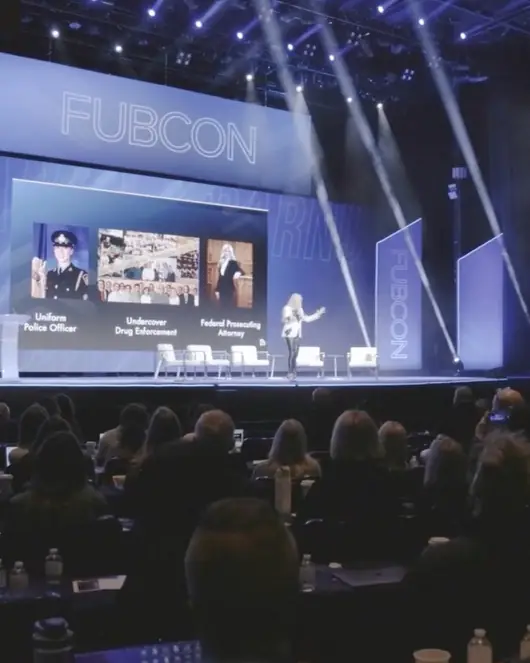
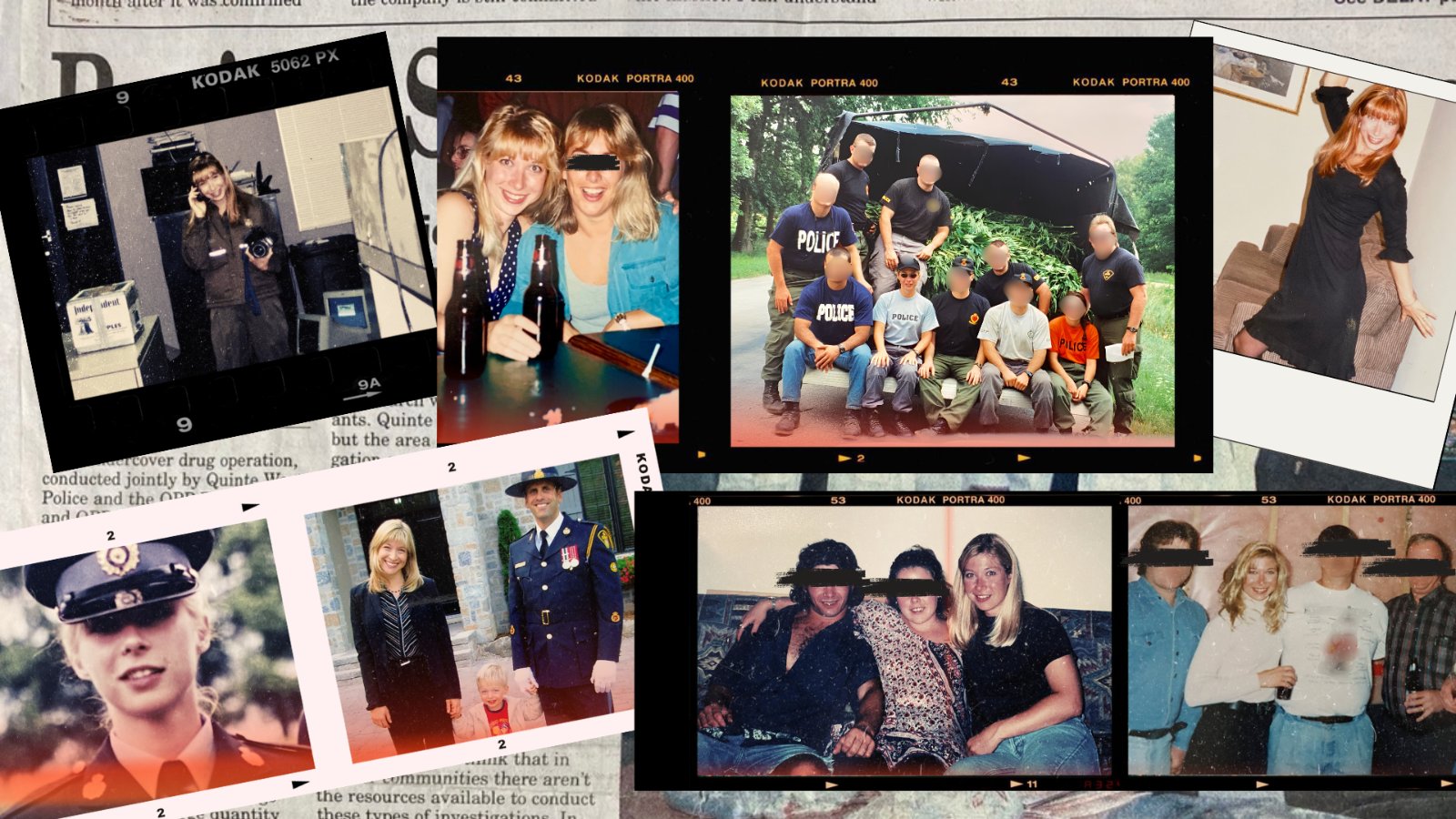
Undercover
I used to lie for a living
For years, I worked deep undercover in drug enforcement. I was the only woman in a large unit, and I made hundreds of buys, from street-level dealers up to six-figure deals. My neighbors had no idea what I did. Judging by what I drove and how I looked, I’m glad they never asked.
Here’s what nobody tells you about undercover work.
Getting someone to believe you is the easy part.
The part that keeps you alive is noticing the moment they stop. It almost always shows up before anyone says a word. A pause that runs a beat too long. A question that doesn’t fit the conversation. A shift in the room you feel before you can name it.
Your team sends the same signals. Most leaders just aren’t trained to catch them.
The courtroom
Different room. Same question.
I finished law school while I was still working undercover. Then I married my undercover partner (we call it our government pre-arranged marriage), left policing, and became a federal prosecutor.
Every day in court came down to one question:
Who do people believe, and why?
I watched confident answers come apart under questioning, and uncomfortable truths hold up because every word was real. Polish didn’t decide it. Credibility did.
And here’s the good news for you: credibility can be learned.

What changes for your people
Tactics that hold up anywhere
This isn’t theory from a lab. It’s what works in the boardroom, the back alley and on the battlefield, translated for the people you lead. After a session, your people:
- Catch the moment trust slips, before it costs them the deal, the hire or the team.
- Get cooperation they can’t command, without pulling rank or pushing harder.
- Say the hard thing in a way people believe, including what they say without words.
I’ve done this work with Google, AT&T, the Federal Reserve Bank of Chicago and the Association of Certified Fraud Examiners. I’ve spoken to 800 leaders at the U.S. Army’s 1st Armored Division. And I’ve trained 200 undercover officers, the toughest room there is, because they know exactly when someone’s faking it.
The stakes in your world look different. The question doesn’t change: when it matters, will people believe you?
The receipts
Pamela’s street cred
Pamela’s training reads like the script for a crime drama: undercover operations, interviewing and interrogation, clandestine drug labs and major case management, plus field tactical operations with the U.S. Army Military Police School and criminal investigations with the National White Collar Crime Center. It’s the same skill set she now puts to work for leaders. Less surveillance. More slides.
- Career
- Undercover drug enforcement officer · Federal prosecutor · Keynote speaker
- Education
- Law degree (J.D.) · Master of Public Administration · Police college graduate · BA (Honours)
- Trust Trilogy
- Crack the Code · Tactical Influence™ · The Decisive Exchange
- TEDx
- What Drug Dealers Taught Me About Trust (TEDxCollingwood)
How Empathy Empowered an Undercover Cop (TEDxRyerson) - Television
- Featured expert on Building Bad and Ancient Justice